Propolis
Propolis is a genuinely different bee-derived ingredient from honey, even though the two get lumped together constantly in skincare marketing. It's the resin bees make to seal and protect their hive, and that protective, antimicrobial job is exactly what carries over when it's used on skin. Here's what it actually does, who should approach it carefully, and what else does the same calming work if propolis isn't right for you.

Propolis is a resin-like substance bees produce from plant compounds to seal and protect their hive, valued in skincare for its antibacterial, anti-inflammatory and antioxidant properties. It's used in serums and essences to calm irritation, support skin's natural defenses against environmental stress, and help skin recover from breakouts — which distinguishes it from honey, a separate bee product used mainly for hydration.
Benefits
Bees produce propolis by mixing their own secretions with resin collected from trees and plants, creating a compound whose entire biological purpose is protecting the hive from bacteria, fungi and other threats. That same protective chemistry is what skincare formulators borrow: propolis extract shows antibacterial and anti-inflammatory activity that helps calm irritated skin and may support a healthier response to acne-causing bacteria, alongside antioxidant compounds that help defend against everyday environmental stress like pollution and UV exposure.
It's a reasonable ingredient to seek out if you're dealing with active breakouts and want something that calms alongside a dedicated acne treatment, if your skin is generally reactive and benefits from anti-inflammatory support, or if you want an antioxidant layered into a routine that's more barrier-focused than resurfacing-focused. It tends to be well tolerated across most skin types.
The allergy point is the one that actually matters. Propolis is a bee product, and people with bee or pollen allergies can react to it even though it isn't a common irritant otherwise. It's one of the few popular calming ingredients with a specific group who should approach it carefully rather than a general caution — so if that's you, patch-test properly, or pick a calming ingredient with no bee involvement at all. Centella and mugwort both do a similar anti-inflammatory job from a plant source.
Propolis isn't an exfoliant, a brightening agent in the vitamin C or arbutin sense, or a retinoid substitute, so it won't resurface texture or fade pigment on its own.
Recommended
AC Clear Pure Cica Toner
The Plant Base$224.5 (104)
Doesn't contain propolis — it's built around 85% centella asiatica leaf water instead — but it's aimed at exactly the job propolis is here for: calming redness and soothing reactive, breakout-prone skin. The watery, non-sticky texture includes a cooling agent that brings skin temperature down, which makes it the more useful of the two on a hot, flushed day.
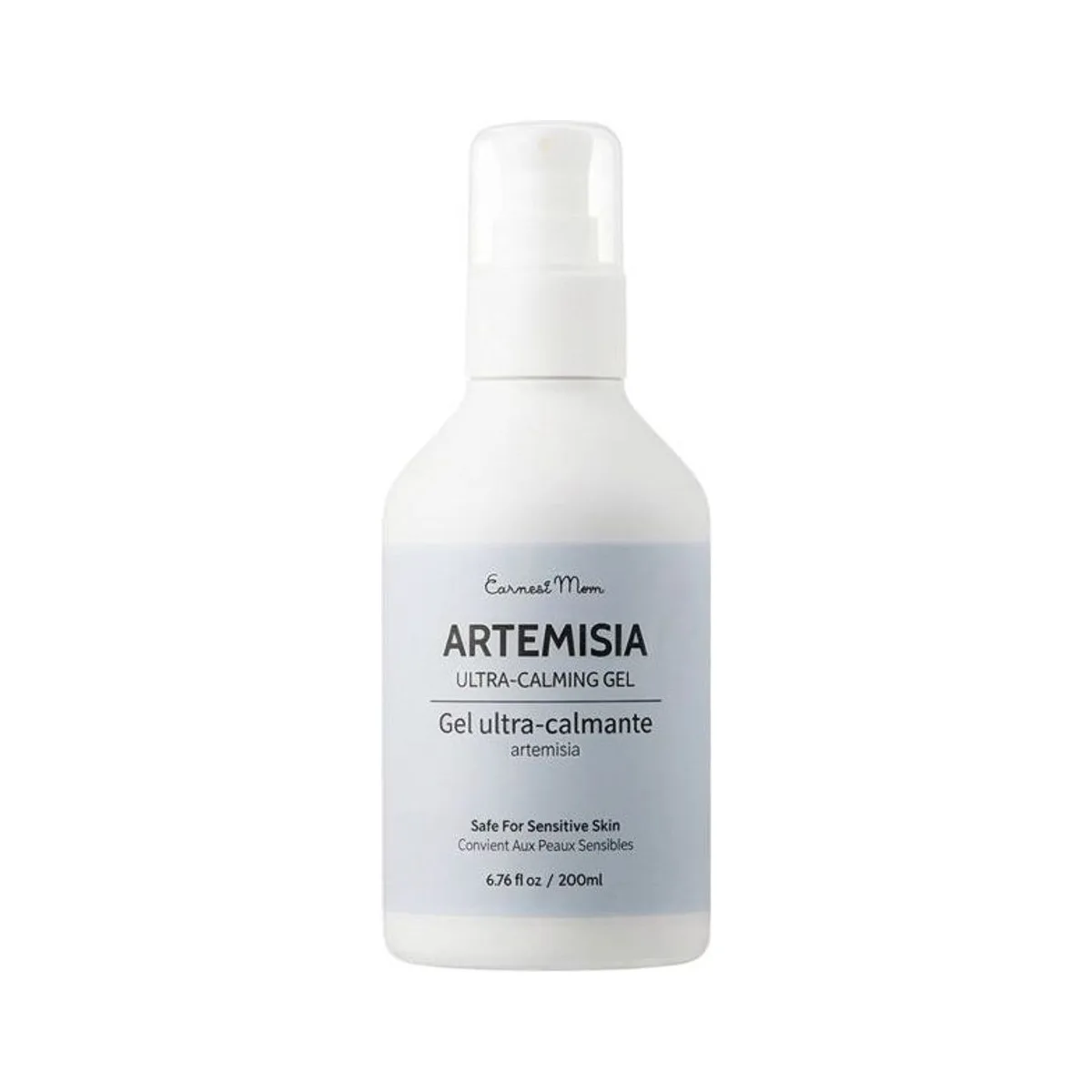
Artemisia Ultra - Calming Gel
Earnest Mom$24.874.5 (213)
Also propolis-free, and the other plant route to the same result: purified water replaced entirely with 80%+ fermented Artemisia filtrate, aged 100 days, with centella and aloe ferment alongside. A lightweight gel formulated gently enough for newborn skin, which makes it a sensible choice if a bee allergy is the reason you're looking past propolis in the first place.

How to use
Propolis-based serums or essences typically go on after cleansing and toning, before heavier creams or facial oils, in either a morning or evening routine. Most formulations are gentle enough for daily use without a gradual introduction period, and propolis layers safely with common actives like niacinamide, centella and vitamin C without any known conflicts.
If you're using it specifically to support skin dealing with active breakouts, apply it after a dedicated acne treatment like salicylic acid or benzoyl peroxide rather than before, so the calming benefit works on top of the active treatment rather than being diluted underneath it.
Given the bee-allergy consideration, anyone with a known bee or pollen sensitivity should patch-test on a small area and wait 24 hours before applying it to the full face. The same applies to any plant-derived calming alternative, though the risk there is lower.
The box
Five full-size Korean products, matched to your skin, every month.
Questions
What is propolis and how is it different from honey?
Propolis is a resin-like substance bees make from plant compounds to seal and protect their hive, prized in skincare for antibacterial and anti-inflammatory properties. Honey is a separate bee product used mainly for hydration and humectant benefits.
Is propolis good for acne-prone skin?
It can be a useful supporting ingredient, since its antibacterial and anti-inflammatory properties may help calm breakout-related irritation. It's not a replacement for a dedicated acne treatment like salicylic acid or benzoyl peroxide.
Can propolis cause an allergic reaction?
It can, particularly for people with bee or pollen allergies, since propolis is a bee-derived product. Patch-testing before full-face use is a reasonable precaution for anyone in that group.
What should I look for in a propolis product?
A percentage on the front is the useful signal, since propolis appears everywhere from a headline ingredient at high concentration to a trace addition near the bottom of a list. Essences and serums give it more contact time than a rinse-off product does.
Is propolis the same as royal jelly?
No, they're different bee products with different jobs. Propolis is a protective resin with antibacterial properties, while royal jelly is a nutrient-dense secretion fed to bee larvae, typically used in skincare for its vitamin and amino acid content.
How long does propolis take to show results?
Calming and anti-inflammatory effects can be noticeable within days for some people, though the antioxidant and skin-support benefits build more gradually with consistent use over several weeks.
Full-size Korean beauty, curated for your skin, delivered every month.
Start your boxBuild your first box
Start your box