Bakuchiol
Bakuchiol built its reputation as the ingredient retinol-shy skin could finally tolerate, and the research backing it up — while still thinner than retinol's decades of data — is enough to explain why it's become a routine staple rather than a passing trend. Here's what it actually does, how to use it, and four picks worth knowing: two bakuchiol formulas, plus two retinol products to compare it against directly.

Bakuchiol is a plant-derived compound, extracted primarily from the seeds and leaves of the babchi plant, that's become popular as a gentler alternative to retinol. It acts on some of the same skin-renewal pathways as retinoids — supporting collagen production and smoothing texture over time — without the peeling, dryness, or photosensitivity that often comes with true retinol, which is why it's marketed heavily toward sensitive skin and anyone who's reacted badly to retinoids in the past.
Benefits
Bakuchiol's appeal rests on a handful of small clinical comparisons showing it can produce fine-line and texture improvements broadly comparable to retinol over twelve weeks, with noticeably less reported irritation. It also carries its own antioxidant activity independent of any retinol-like effect, adding a modest defense against everyday environmental stress on top of the renewal benefits. Because it doesn't thin the skin barrier the way retinoids can with overuse, it tends to layer more easily with other actives without the careful sequencing retinol usually demands.
It suits sensitive, reactive, or retinol-intolerant skin best, along with anyone who wants to start an anti-aging routine without the multi-week purging or dryness that comes with introducing a retinoid. It's also a reasonable daytime option, since it doesn't carry retinol's sun-sensitivity warning, though sunscreen still matters regardless.
The evidence base behind bakuchiol is still considerably smaller than the decades of research supporting retinol, so anyone chasing the fastest or most dramatic results is still better served by a well-tolerated retinoid used consistently. If you're pregnant or breastfeeding and considering bakuchiol as a substitute, talk to your doctor first; it's commonly recommended anecdotally, but the safety data specific to pregnancy is limited rather than settled.
Recommended
Nuborn Cell Bakuchiol Complex Dalgyal Mask
Blanc Dubu$384.5 (205)
Blanc Dubu's Dalgyal Mask builds its bakuchiol complex (1,000ppm, per the ingredient list) into a wash-off or leave-on mask rather than a daily serum — an occasional treatment step rather than a routine anti-aging product. That format suits someone who wants to sample bakuchiol without a nightly commitment, or who wants a stronger, concentrated dose less often. The other bakuchiol pick below is a body cream rather than a facial treatment.
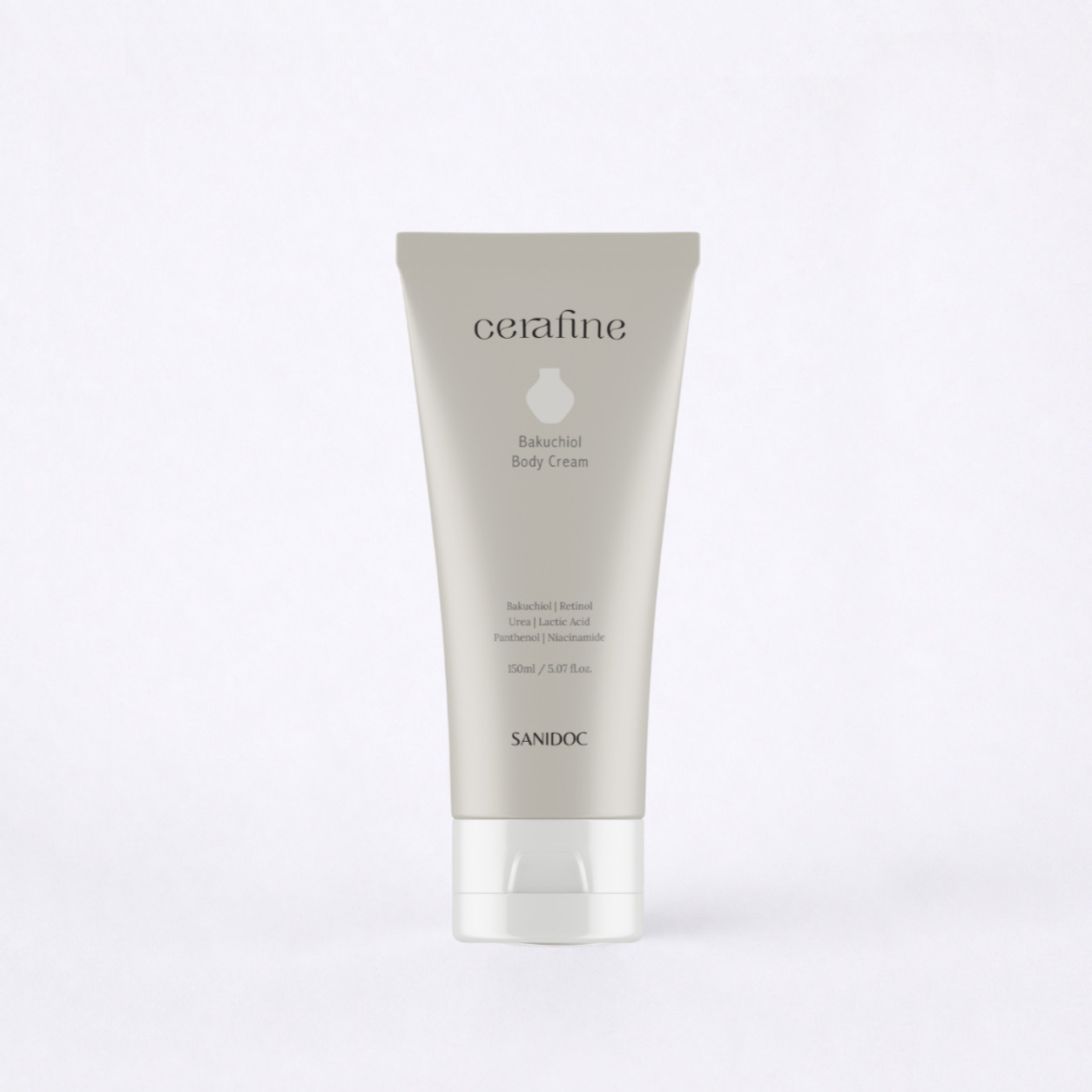
SANIDOC Cerafine Bakuchiol Body Cream
SANIDOC$33.994.5 (2)
SANIDOC's Cerafine Bakuchiol Body Cream pairs bakuchiol with retinol, urea, and lactic acid in a rich, body-specific formula for rough, bumpy skin on arms, legs, elbows, and knees — not a facial treatment, but a genuine second bakuchiol pick for a body-care step. Its urea and lactic acid content lean toward smoothing texture on tougher skin, reading more like a body-focused exfoliating moisturizer than a lightweight serum.
Retinol Ampoule
theralogic$634.6 (160)
theralogic's Retinol Ampoule is a genuine, triple-encapsulated retinol treatment you can compare bakuchiol against directly — same renewal-focused job, different ingredient, with a real gradual-introduction period that bakuchiol mostly skips. It's a concentrated ampoule rather than a gentle mask, so expect the usual retinol schedule if you go this route. It doesn't contain bakuchiol.
Retinol Peptide Lifting Restore Cream
WellDerma$58.54.6 (377)
WellDerma's Retinol Peptide Lifting Restore Cream pairs real, non-derivative retinol with peptides in a moisturizing base rather than a treatment-strength serum — a gentler comparison than the ampoule above. It's still genuine retinol, not bakuchiol, so the usual retinol precautions apply, though the cream format buffers some of the harshness.



How to use
Bakuchiol can go into a routine much like a lightweight serum — apply it after cleansing and toning, before a heavier moisturizer, so it has direct contact with skin. Unlike retinol, it doesn't require the same cautious introduction schedule, though starting a few nights a week and building up to daily use is a reasonable way to confirm tolerance before committing to nightly application. It layers comfortably with vitamin C, niacinamide, and most hydrating ingredients without the sequencing concerns retinol raises, and it can be used morning or night since it doesn't carry retinol's sun-sensitivity warning — daily sunscreen still matters regardless. If you're using a mask-format bakuchiol product, treat it as an occasional booster rather than a nightly step, and follow the product's own timing.
The box
Five full-size Korean products, matched to your skin, every month.
Questions
Is bakuchiol really as effective as retinol?
Some small clinical studies show comparable improvement in fine lines and texture over about twelve weeks, with less irritation reported. The overall body of research is much smaller than retinol's, though, so 'comparable in early studies' is a more accurate claim than 'proven equally effective.'
Can you use bakuchiol during pregnancy?
It's commonly recommended as a pregnancy-friendly alternative to retinol, but the safety data specific to bakuchiol in pregnancy is limited rather than extensively studied. Check with your doctor before adding it, especially if you're also considering other active ingredients.
Can bakuchiol be used with vitamin C or niacinamide?
Yes — bakuchiol doesn't carry the same barrier-thinning or irritation risk as retinol, so it layers comfortably with most other actives without the careful spacing retinoids typically require.
How long does it take to see results from bakuchiol?
Most of the clinical improvement in studies showed up around eight to twelve weeks of consistent use, which is roughly in line with how long retinol takes to show similar changes.
Can you use bakuchiol every day?
Yes, once your skin tolerates it well — daily use, morning or night, is standard, since bakuchiol doesn't carry retinol's sun-sensitivity warning or require the same gradual introduction schedule.
Full-size Korean beauty, curated for your skin, delivered every month.
Start your boxBuild your first box
Start your box