Retinol
Retinol has more research behind it than almost any other ingredient in skincare, and that reputation is earned — it's also one of the few actives that genuinely requires patience and a careful introduction. Here's what it does, why Korean formulas approach it differently, and how to bring it into a routine without wrecking your barrier.

Retinol is a vitamin A derivative that skin converts into retinoic acid, the active form that speeds up cell turnover, encourages collagen production and resurfaces texture over weeks of consistent use. It has decades of clinical evidence behind its effects on fine lines, acne and uneven texture — and a real adjustment period, with dryness and peeling common at the start.
Benefits
Retinol's track record is longer and better documented than almost any other skincare ingredient, with real clinical evidence for reducing fine lines, fading post-acne marks, refining texture and helping with active breakouts by keeping pores clearer. It works at the cellular level to change how skin renews itself, which is why results build over months rather than after a single use. It also makes skin more sensitive to UV light, so daily sunscreen isn't optional once retinol is in your routine.
Korean retinol is the same molecule, formulated differently. The active is chemically identical wherever it's made. What differs is philosophy: Korean brands commonly buffer retinol with soothing or hydrating co-ingredients, encapsulate it so it releases gradually, and pitch it at lower concentrations, rather than selling it unbuffered at maximum strength. That reflects a preference for tolerability and consistent daily use over peak single-application potency.
A buffered, lower-concentration formula generally works more slowly than a high-strength unbuffered one, so what matters is the specific product's concentration and delivery, not the country on the box.
It suits anyone targeting visible signs of aging, textural unevenness or persistent acne who's willing to work through an adjustment period.
Retinol isn't right for pregnant or breastfeeding skin, where it's specifically contraindicated rather than merely cautioned against.
Recommended
Retinol Ampoule
theralogic$634.6 (158)
Sits at the stronger, more concentrated end of this lineup, built as a dedicated treatment step rather than a moisturizer with retinol added. A better fit for someone who has already built tolerance elsewhere than for a first product. Its retinol is triple-encapsulated, releasing gradually to ease irritation. The ampoule format means a thinner, faster-absorbing texture, so layering a moisturizer on top matters more here.
Retinol Peptide Lifting Restore Cream
WellDerma$58.54.6 (377)
Pairs retinol with peptides in a genuinely rich, restorative formula, positioned closer to a night cream than a treatment serum — the kind of product that can double as your moisturizer on retinol nights rather than requiring a separate hydrating step. That richer base also buffers some of retinol's drying effect. Niacinamide and adenosine sit alongside the peptide complex, adding tone and firming support.
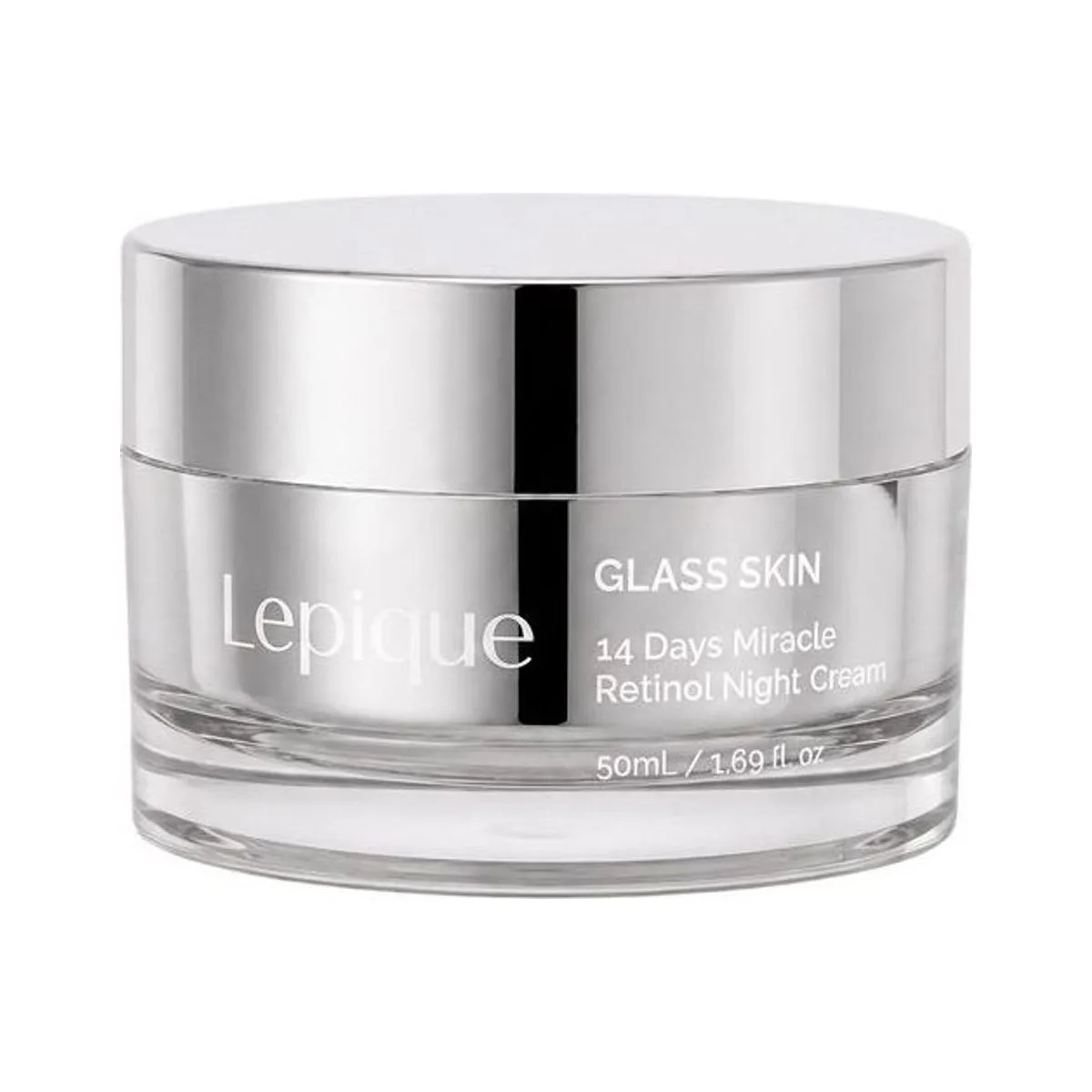
GLASS SKIN 14Days Miracle Retinol Night Cream
Lepique$40.464.9 (59)
Formulated at 0.1% retinol, a genuinely gentle concentration that gives first-time users an easier introduction than the ampoule and treatment cream above. Paired with collagen and centella to keep skin comfortable while it adjusts, and light enough to work as your only product on the nights you use it rather than needing a heavier moisturizer on top.


How to use
Start slowly whichever product you choose — two or three nights a week for the first two to four weeks, building toward nightly use only once your skin shows no ongoing dryness, redness or flaking. Apply to completely dry skin after cleansing, since damp skin increases absorption and irritation risk, then follow with a moisturizer.
In a multi-step routine, retinol goes after your hydrating essences and ampoules but before the final sealing moisturizer — a treatment step layered within the hydration structure rather than replacing it. Those surrounding layers do cushion some of the dryness, though they don't remove the need to introduce it gradually.
Retinol is nighttime-only: it breaks down in sunlight and increases photosensitivity, so sunscreen the next morning isn't optional. Avoid layering it with exfoliating acids or benzoyl peroxide in the same routine — space those to different nights. If irritation is more than mild and short-lived, drop back to fewer nights rather than pushing through.
The box
Five full-size Korean products, matched to your skin, every month.
Questions
Is Korean retinol different from regular retinol?
The molecule is identical. The formulation philosophy differs: Korean brands more often buffer it with soothing ingredients, encapsulate it for gradual release, and use lower concentrations, prioritizing tolerability over peak strength. Gentler on average, but not universally — some are treatment-strength.
How long does it take to see results from retinol?
Most visible improvement in texture and fine lines shows after eight to twelve weeks of consistent use, though some people notice smoother-feeling skin sooner. It works gradually by design, so patience matters more than which product you pick.
Why does retinol make my skin peel?
Peeling and flaking are common in the first few weeks as skin adjusts to faster cell turnover. It usually settles once tolerance builds, but if it's severe or hasn't improved after a few weeks, scale back frequency or drop to a lower concentration.
What's the best retinol to start with?
A buffered, cream-based formula at a low concentration. The added hydrating ingredients offset the dryness that comes with starting out.
Is retinol safe during pregnancy?
No — retinol and other vitamin A derivatives are specifically contraindicated during pregnancy and breastfeeding. If you're pregnant or trying to conceive, ask your doctor about alternatives like bakuchiol.
Can retinol help with acne, or is it just for anti-aging?
Both. Retinol keeps pores clearer by speeding up cell turnover, which is why it's used for active acne as well as fine lines and texture — one of the few ingredients with solid evidence for both at once.
Full-size Korean beauty, curated for your skin, delivered every month.
Start your boxBuild your first box
Start your box