Beta Glucan
Beta glucan is the ingredient dermatologists reach for when skin needs hydration without any risk of irritation, which makes it one of the gentlest options in skincare rather than a trending novelty. Here's what it actually does for skin, how it fits into a routine, and which formats are worth trying.

Beta glucan is a polysaccharide, often derived from oats, yeast, or mushrooms, valued in skincare for its ability to hydrate skin while calming irritation and supporting the barrier's own repair process. It's considered one of the gentlest hydrating ingredients available, with a molecular structure that forms a protective film on skin's surface rather than penetrating deeply, which is why it's frequently recommended for reactive, compromised, or post-procedure skin that can't tolerate much else.
Benefits
Beta glucan's value comes from its dual role as both a humectant and a soothing agent. It draws and holds moisture at the skin's surface similarly to hyaluronic acid, but its film-forming structure also creates a protective layer that helps reduce transepidermal water loss and calm inflammation at the same time — a combination that's harder to find in a single ingredient than it sounds. Some research also points to immune-modulating properties that may support skin's own repair mechanisms, though the skincare-specific evidence for that particular benefit is still developing compared to its well-established hydrating and calming effects.
It suits nearly every skin type, including sensitive, reactive, and barrier-compromised skin, since it carries about as low an irritation risk as any hydrating ingredient can. It's especially useful for skin recovering from something — over-exfoliation, a harsh peel, sunburn, or a new active that's causing dryness — and for anyone who reacts poorly to richer oils or heavier occlusive ingredients but still needs real hydration rather than a lightweight placeholder.
Beta glucan won't brighten, resurface, or treat a specific concern like acne or hyperpigmentation on its own, so it's best understood as a supportive hydrating step rather than a targeted treatment for a diagnosed skin issue. Reactions to beta glucan are uncommon, though anyone with a known sensitivity to oats, yeast, or mushrooms, depending on the source used, should check the specific ingredient origin before use.
Recommended
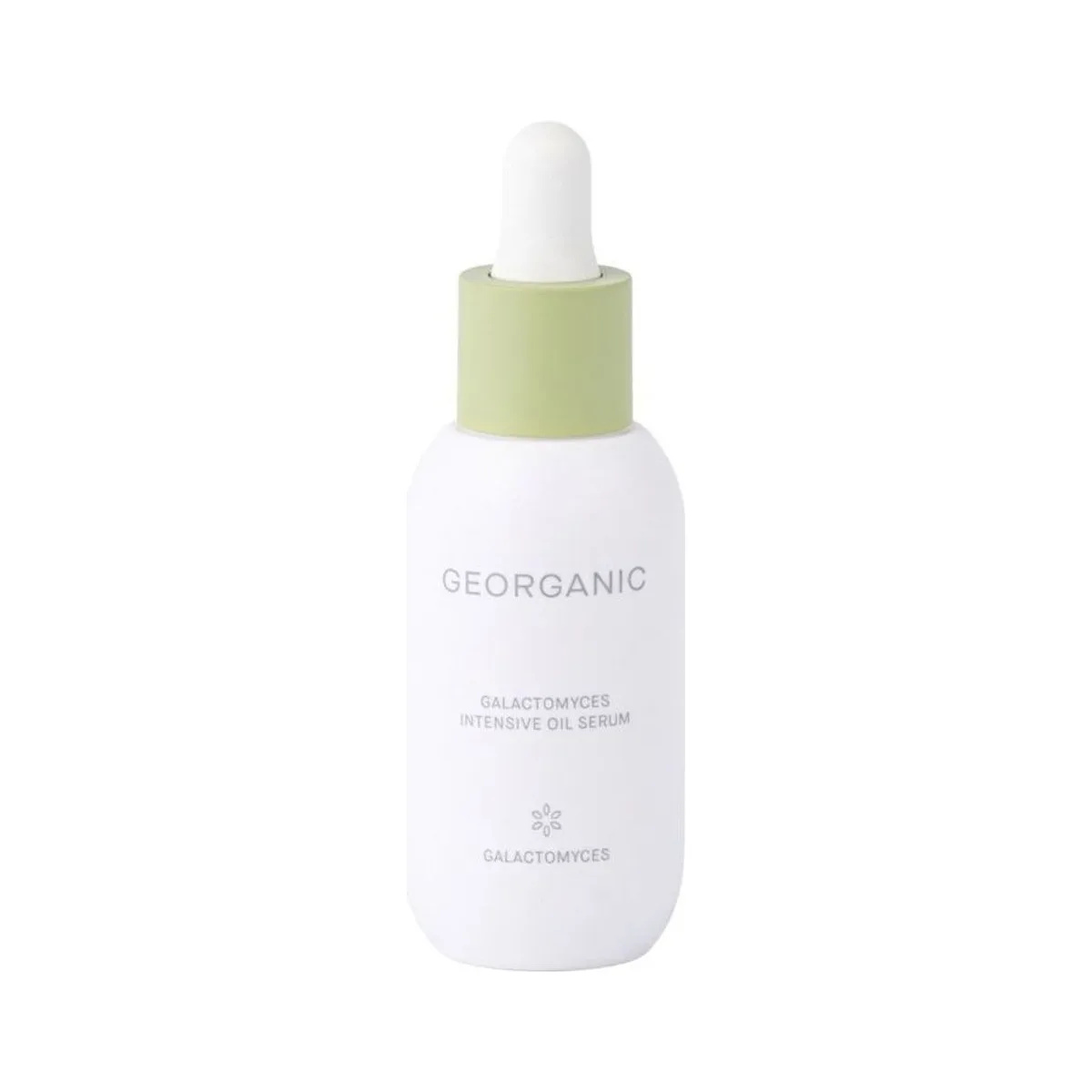
Galactomyces Intensive Oil Serum
GEORGANIC$464.3 (26)
GEORGANIC's Galactomyces Intensive Oil Serum lists beta-glucan directly in its ingredients, alongside galactomyces ferment filtrate, centella asiatica extract, and a five-oil blend, so the beta-glucan here is one part of a multi-tasking formula rather than the headline ingredient. That combination makes it a fit for drier skin wanting the calming, film-forming benefit of beta-glucan alongside richer, oil-based nourishment, rather than someone after a lightweight, beta-glucan-first essence.
VEGREEN Skin Barrier Reishi Serum 50ml
VEGREEN$214.5 (144)
Doesn't contain beta-glucan as a named ingredient, but VEGREEN's Reishi Serum is built for a similar purpose — gentle, film-forming hydration for reactive or barrier-compromised skin — using a high concentration of reishi mushroom extract and fermented ingredients instead. It's a reasonable alternative if you want that same low-irritation, barrier-support profile in a different, mushroom-extract-led formula rather than a beta-glucan-specific one.

How to use
Beta glucan-based products typically go early to mid-routine, after cleansing and toning but before heavier creams, similar to where you'd place a hydrating serum or essence. It layers comfortably with virtually every other ingredient, including retinol, vitamin C, and exfoliating acids, since it doesn't carry meaningful irritation risk and can actually help offset some of the dryness those actives cause. There's no cycling or gradual introduction required — daily use, morning and night, is standard, and it's gentle enough to use during an active flare-up rather than needing to be scaled back the way a stronger active would. Because it works by forming a protective film and holding moisture rather than delivering a fast, visible transformation, give it several weeks of consistent use before evaluating whether it's improved your skin's comfort and hydration levels overall.
The box
Five full-size Korean products, matched to your skin, every month.
Questions
What does beta glucan actually do for skin?
It hydrates skin by drawing and holding moisture at the surface while also forming a protective film that helps calm irritation and reduce water loss. It's a supportive, barrier-focused ingredient rather than a treatment for a specific skin concern.
Is beta glucan safe for sensitive or reactive skin?
Yes — it's considered one of the gentlest hydrating ingredients available and is commonly recommended specifically for sensitive, reactive, or barrier-compromised skin that struggles with other actives.
Can beta glucan be used with retinol or exfoliating acids?
Yes, and it's a common pairing. Beta glucan doesn't carry irritation risk of its own, so it layers safely with retinol or acids and can help offset some of the dryness those ingredients cause.
Is beta glucan derived from oats the same as beta glucan from mushrooms?
They share a similar molecular structure and skincare function, but the source can matter for anyone with a specific sensitivity — checking the ingredient list for the exact source is worthwhile if allergies are a concern.
How is beta glucan different from hyaluronic acid?
Both are humectants that draw moisture into skin, but beta glucan also forms a protective film with calming properties that hyaluronic acid doesn't provide, which is why the two are frequently formulated together rather than used as substitutes for each other.
Full-size Korean beauty, curated for your skin, delivered every month.
Start your boxBuild your first box
Start your box