Azelaic Acid
Azelaic acid sits in an unusual spot. At higher strengths it's a regulated medicine in many countries; at lower strengths it turns up as a cosmetic ingredient in tone-focused serums and creams. Here's what it is, how those two versions differ, and what to use if the concern behind the search is uneven tone.

Azelaic acid is a dicarboxylic acid found naturally in grains such as wheat, rye and barley, and also produced by yeast that lives on skin. In cosmetic formulas it appears in products aimed at uneven tone and the look of marks left behind once a blemish clears. At higher strengths it is regulated as a medicine in many markets.
Benefits
The first thing worth understanding is that azelaic acid reaches people in two quite different forms. Prescription formulations use higher strengths, are regulated as medicines, and are prescribed by a clinician for diagnosed conditions. Cosmetic formulas use lower strengths and are sold for appearance-level concerns: dullness, uneven tone, the marks a blemish leaves behind. The two aren't interchangeable, and a cosmetic product doesn't stand in for something a doctor has prescribed.
Within the cosmetic lane, azelaic acid is valued for being undramatic. It doesn't exfoliate the way an AHA does or resurface the way a retinoid does, which is part of why it turns up in formulas pitched at people who've had trouble with those. It's also usually formulated alongside other tone-focused ingredients rather than carrying a product alone, so the whole ingredient list matters more than any single name on it.
That last point is worth acting on. Azelaic acid is one of several routes to the same destination, and it isn't obviously the best of them. Niacinamide, tranexamic acid, alpha-arbutin and stabilised vitamin C derivatives all work on uneven tone and post-blemish marks by different mechanisms, and a formula combining two or three of them is doing much the same job. The concern is what matters, not the acid named on the front of the bottle.
Who azelaic acid suits follows from that. Skin that flushes easily, or has reacted badly to stronger acids, often gets along with it. Anyone after fast textural change will be happier with a dedicated exfoliant.
What it isn't is fast. Anything working on the appearance of uneven tone works gradually. If a skin concern is persistent, painful, or spreading, that's a conversation for a clinician rather than a shopping decision.
Recommended
Tancin Mela Clear Serum
FARMSKIN$20.994.3 (104)
Doesn't contain azelaic acid — this is a tone-focused serum that goes at the same concern by another route. Niacinamide leads, with 3-O-ethyl ascorbic acid (a stabilised vitamin C derivative), tangerine extract and licorice-derived dipotassium glycyrrhizate behind it. A semi-gel texture aimed at dark spots and dullness rather than texture.
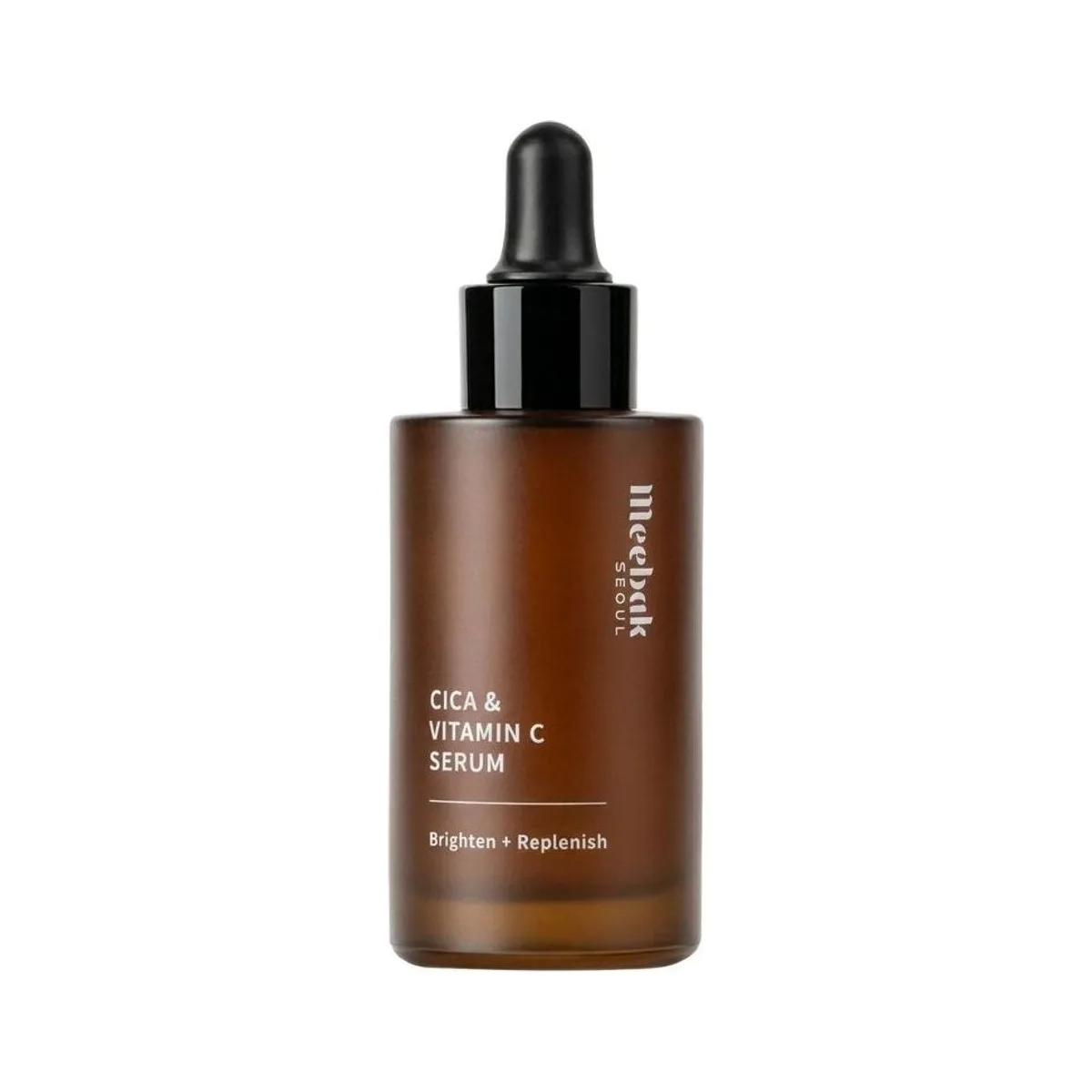
Cica & Vitamin C Serum
MEEBAK$24.974.5 (47)
Also without azelaic acid, and a useful contrast to the serum above: this one pairs two forms of vitamin C with centella, so it works on tone while calming at the same time. The better pick if redness sits alongside the marks you're trying to fade, since vitamin C on its own can be a lot for reactive skin.

How to use
With a cosmetic-strength tone product the ordinary rules apply. Introduce it on its own, once a day to begin with, and give it a few weeks before drawing conclusions. Apply after cleansing and any watery toner, ahead of richer creams, onto skin that's fully dry rather than damp — most people find acids of any kind more comfortable that way.
Build frequency up slowly instead of starting twice daily. If you already use an exfoliating acid or a retinoid, stacking another active into the same night is how irritation compounds; alternating nights is simpler and easier to read.
Sunscreen the next morning matters more than usual, since anything working on the appearance of uneven tone loses ground without it.
If a clinician has prescribed something for your skin, ask them before layering cosmetic actives on top of it. And patch test anything new on your inner arm first.
The box
Five full-size Korean products, matched to your skin, every month.
Questions
What is azelaic acid?
A dicarboxylic acid that occurs naturally in grains like wheat, rye and barley. In skincare it appears in products aimed at uneven tone and the look of post-blemish marks. Higher-strength versions are regulated as medicines in many countries.
Is the azelaic acid in a skincare product the same as a prescription one?
No. Prescription formulations use higher strengths, are regulated as medicines, and are prescribed for diagnosed conditions. Cosmetic products use lower strengths for appearance-level concerns. Neither is a substitute for the other.
What works on the same concerns if I can't find azelaic acid?
Quite a lot, in fact. Niacinamide, tranexamic acid, alpha-arbutin and stabilised vitamin C derivatives all target uneven tone and post-blemish marks by different routes, and formulas usually combine several. Choose on the concern rather than on one ingredient name.
How is azelaic acid different from salicylic acid?
Salicylic acid is a beta-hydroxy acid that exfoliates and works largely inside the pore. Azelaic acid isn't an exfoliant in that sense, and the two tend to show up in different kinds of formulas rather than as alternatives to each other.
Can I tell how much azelaic acid is in a product from the ingredient list?
Not reliably. An INCI list is ordered by amount only down to one percent, and below that the sequence tells you very little. Unless the brand publishes a figure, position on the list won't give you the strength.
How long does it take to see a difference?
There's no honest single answer — it depends on the formula, the strength and the skin. Anything working on the appearance of tone is gradual, and a product promising a specific number of weeks is overreaching.
Full-size Korean beauty, curated for your skin, delivered every month.
Start your boxBuild your first box
Start your box