Retinal
Retinal is the retinoid people move up to once retinol stops feeling like enough — it converts to its active form faster, works quicker, and asks more of your skin's tolerance in return. Here's what sets it apart from retinol, how to introduce it safely, and which of our Korean retinal picks are worth trying.

Retinal, also called retinaldehyde, is a vitamin A derivative that sits one conversion step closer to retinoic acid than retinol, meaning skin converts it into its active form faster and more efficiently. That translates into results that can show up sooner than standard retinol at a comparable strength, while still requiring a gradual introduction to avoid the dryness and irritation that come with any retinoid.
Benefits
Retinal's main advantage over retinol comes down to conversion efficiency: retinol needs two enzymatic steps to become retinoic acid, while retinal only needs one, so a given concentration of retinal generally delivers more active retinoic acid than the same concentration of retinol. Some research also points to retinal having direct antibacterial activity against acne-causing bacteria, a property retinol doesn't share, making it a reasonable option for acne-prone skin on top of its anti-aging effects. Like other retinoids, it speeds up cell turnover and supports collagen production, showing up over time as smoother texture and reduced fine lines.
It suits people who've built tolerance to retinol and want a step up in potency without jumping to prescription-strength tretinoin, as well as anyone dealing with both aging concerns and persistent breakouts who wants one ingredient addressing both. Its faster conversion also means visible results can arrive somewhat sooner than an equivalent retinol product.
Because it converts more efficiently, retinal also tends to cause more irritation than retinol at comparable strengths, so it isn't the right starting point for retinoid-naive skin or anyone who's struggled with retinol before. It carries the same pregnancy contraindication as retinol and other vitamin A derivatives.
Recommended
Retinal Lip Balm
Dr.Different$264.4 (177)
Dr.Different's lip balm applies retinal to a part of the face most retinoid products ignore, targeting fine lines and thinning skin around the mouth that facial retinoids rarely reach in a meaningful concentration. At a modest 0.01% retinal, it's formulated for lip skin specifically, which has no oil glands and is thinner than the rest of the face, so a dedicated low-strength balm makes more sense here than extending a facial serum down to the lip line. It also carries SPF 11 and doubles as a subtle cheek tint — a narrow, specific-use product rather than a general anti-aging step.
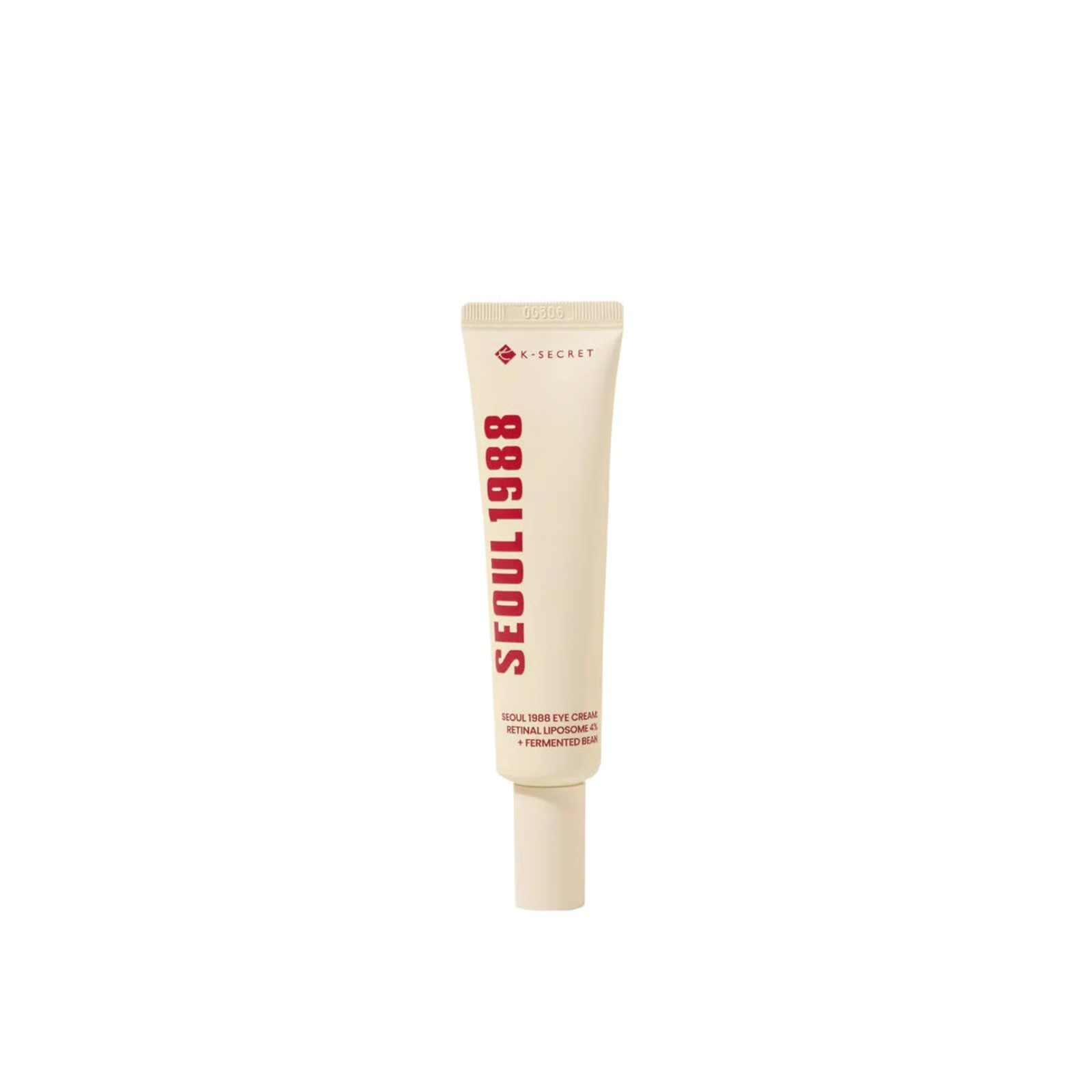
SEOUL 1988 Eye Cream : Retinal Liposome 4% + Fermented Bean
K-Secret$225.0 (2)
K-Secret's eye cream is built around a 4% retinal-liposome concentration paired with fermented bean extract, positioned specifically for the eye area, where skin is thinner and more prone to irritation than the rest of the face. Liposome delivery is commonly used to buffer a retinoid's irritation potential while still getting the active where it needs to go, which matters more around the eyes than almost anywhere else. It's a reasonable entry point for retinal specifically for under-eye fine lines rather than an all-over treatment.
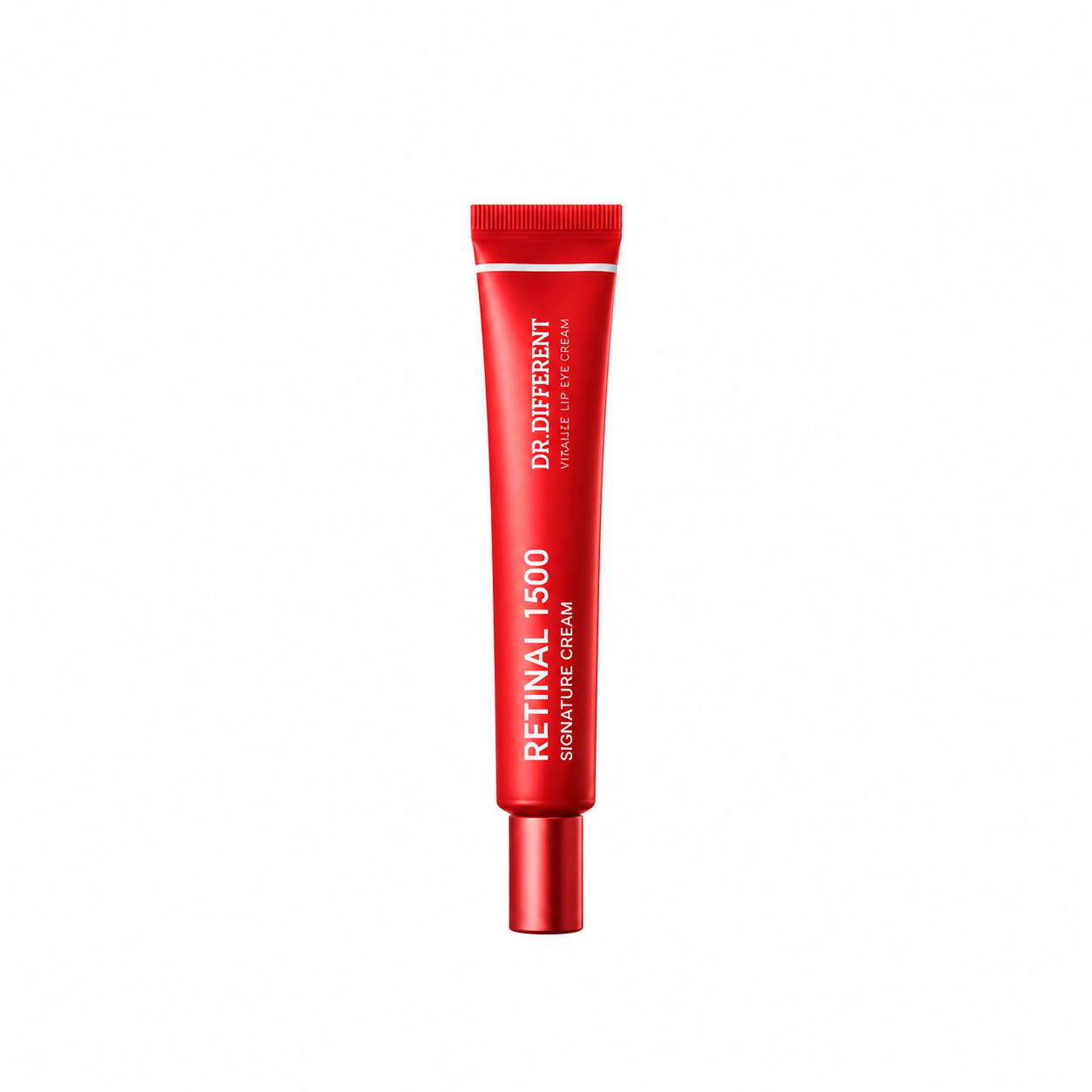
Retinal 1500 Signature Cream
Dr. Different$56.674.6 (168)
Dr. Different's Fortessimo sits at the other end of the lineup — a stronger, all-over formula led by 0.15% retinal, layered with smaller amounts of retinol and retinyl palmitate rather than relying on a single vitamin A form. The brand's patented liposome technology is built to keep that retinal stable against light and heat, so this reads as a dedicated treatment step for someone already comfortable with retinoids and looking for a more potent daily option. Given retinal's faster conversion and higher irritation potential, this suits experienced retinoid users better than a first product.

How to use
Introduce retinal even more cautiously than you would retinol, since its faster conversion to retinoic acid means a comparable concentration will generally feel stronger on skin. Start with once or twice a week, applied to completely dry skin after cleansing, and only increase frequency once your skin shows no ongoing redness, flaking, or sensitivity — this buildup period often needs to be slower than a standard retinol schedule. Follow with a moisturizer to offset dryness, and treat sunscreen the next morning as mandatory, since retinal carries the same photosensitivity retinol does. Avoid combining it with exfoliating acids or benzoyl peroxide in the same routine, and if you're already using retinol elsewhere in your regimen, don't add retinal on top without reducing frequency first, since stacking two retinoids raises irritation risk rather than compounding benefit proportionally.
The box
Five full-size Korean products, matched to your skin, every month.
Questions
Is retinal stronger than retinol?
Generally yes, at comparable concentrations, since retinal converts to active retinoic acid in one step instead of retinol's two, delivering more active ingredient to skin. That efficiency also means more irritation than retinol at similar percentages.
Can I switch from retinol straight to retinal?
You can, but ease into it rather than assuming your retinol tolerance transfers directly — start with lower frequency than you currently use for retinol, since retinal's faster conversion often makes it feel noticeably stronger even at what seems like a similar concentration.
Does retinal help with acne as well as anti-aging?
Some research points to retinal having direct antibacterial activity against acne bacteria, in addition to the cell-turnover benefits it shares with other retinoids, making it a reasonable choice for skin dealing with both concerns at once.
Is retinal safe to use around the eyes and lips?
Formulations specifically designed for those areas, like liposome-delivered eye creams or dedicated lip balms, are formulated at lower strengths appropriate for thinner, more sensitive skin. Using a stronger facial retinal product on the eye or lip area isn't recommended.
Is retinal safe during pregnancy?
No — like retinol and other vitamin A derivatives, retinal is contraindicated during pregnancy and breastfeeding. Talk to your doctor about pregnancy-safe alternatives such as bakuchiol.
Full-size Korean beauty, curated for your skin, delivered every month.
Start your boxBuild your first box
Start your box