PHA (Skincare)
PHA is the exfoliating acid people reach for when AHAs and BHAs have burned them one too many times — chemically related to both, but with a molecule large enough that it can't penetrate skin as deeply or as fast. Here's what that size difference actually means in practice, who it suits, and what else exfoliates gently if an acid isn't the route you want.

PHA, or polyhydroxy acid, is a gentle chemical exfoliant that removes dead skin cells from the surface, similar to AHAs like glycolic acid, but with a larger molecular structure that limits how deeply it penetrates skin. That size difference makes PHA noticeably less irritating than most AHAs and BHAs, which is why it's specifically recommended for very sensitive, rosacea-prone, or exfoliation-intolerant skin.
Benefits
PHA works through the same basic mechanism as AHAs — dissolving the bonds holding dead skin cells together so they shed more evenly — but its larger molecular size means it can't penetrate as deeply into skin, which caps both its exfoliating strength and its irritation potential. Some PHAs, particularly gluconolactone, also carry humectant properties that add a mild hydrating effect most AHAs don't have, and lactobionic acid specifically has antioxidant activity on top of its exfoliating job.
It's a strong option if you've tried glycolic or lactic acid and found them too irritating or drying, if you have rosacea or generally reactive skin that needs exfoliation without the flare-up risk stronger acids carry, or if you're exfoliating for the first time and want the gentlest possible entry point. It's also more forgiving of accidental overuse than a stronger acid, since the ceiling on irritation is naturally lower.
PHA isn't the only gentle route. Enzyme exfoliants — papain from papaya, bromelain from pineapple — break down dead skin through a different mechanism entirely, with no acid involved. They tend to come as wash-off products rather than leave-on ones, which caps contact time and makes them gentler again. If what you actually want is exfoliation without irritation rather than PHA specifically, an enzyme formula is worth knowing about.
Because it's gentler, PHA also works more slowly and less dramatically than AHAs or BHAs — don't expect the same speed of visible texture change or pore-clearing you'd get from glycolic or salicylic acid.
Recommended
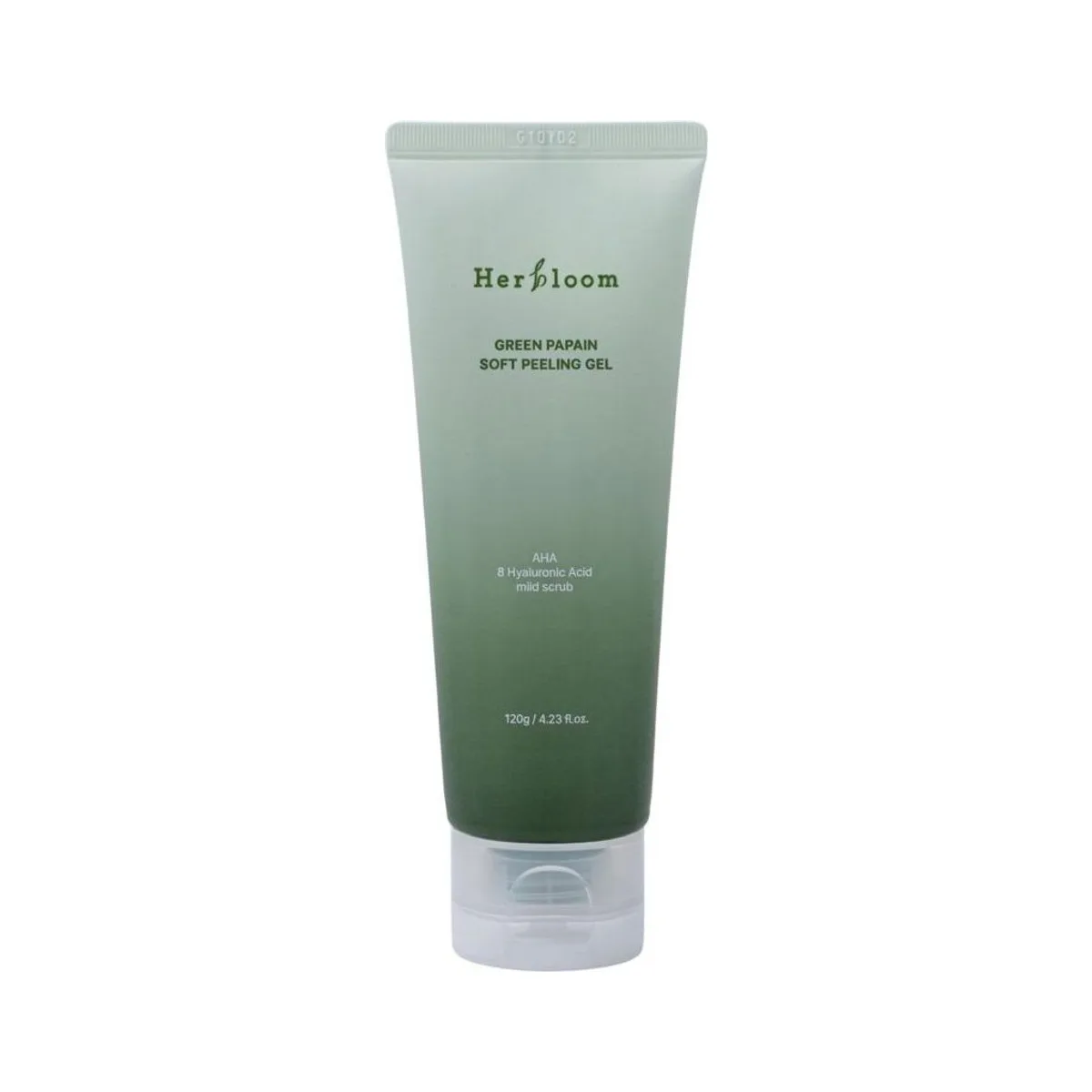
Green Papain Soft Peeling Gel
Herbloom$154.5 (56)
Doesn't contain PHA — it exfoliates through papain, a fruit enzyme, rather than any acid, which is arguably an even gentler route to the same goal: clearing built-up dead skin without irritation. A wash-off gel rather than a leave-on toner, built with eight types of hyaluronic acid to keep the exfoliation from feeling stripping. The pick if low irritation matters more to you than the specific ingredient.
How to use
PHA toners or exfoliants typically go on after cleansing, on clean, dry skin, followed by a hydrating serum and moisturizer.
Because it's gentler than AHAs and BHAs, most people can start with more frequent use — every other day, or even daily for some formulations — rather than the slow, careful introduction stronger acids require. Starting a few times a week and watching how skin responds is still the safer approach if you're new to exfoliation.
An enzyme exfoliant works differently: it's a wash-off step, used once or twice a week, massaged over damp or dry skin depending on the product and then rinsed.
Morning sunscreen matters just as much with PHA as with any exfoliating acid, since removing dead skin cells increases sun sensitivity regardless of how gentle the acid is. PHA generally layers fine with niacinamide and hydrating ingredients, though stacking it with a stronger AHA or BHA on the same night adds irritation risk without much added benefit.
The box
Five full-size Korean products, matched to your skin, every month.
Questions
What does PHA stand for and what does it do?
PHA stands for polyhydroxy acid, a gentle chemical exfoliant that removes dead skin cells similarly to AHAs, but with a larger molecular size that limits how deeply and aggressively it penetrates skin.
Is PHA gentler than AHA or BHA?
Yes, generally — its larger molecule size means less penetration and lower irritation potential, which is why it's specifically recommended for sensitive, rosacea-prone, or exfoliation-intolerant skin.
What's the difference between PHA and an enzyme exfoliant?
PHA is an acid that dissolves the bonds between dead skin cells; an enzyme like papain breaks down the proteins holding them instead. Enzymes are usually wash-off, which limits contact time and makes them gentler again. Both suit skin that reacts to stronger acids.
Can I use PHA every day?
Many people can, since it's gentler than AHAs or BHAs, but starting a few times a week and watching how your skin responds is the safer approach if you're new to chemical exfoliation.
Is PHA good for rosacea-prone skin?
Yes, it's one of the more commonly recommended exfoliants for rosacea specifically because its lower irritation potential makes flare-ups less likely than with stronger acids.
Does PHA work as well as glycolic acid?
It's gentler and works more slowly, so it won't deliver the same speed or intensity of visible texture change as glycolic acid — a reasonable trade-off for skin that can't tolerate glycolic acid's irritation.
Full-size Korean beauty, curated for your skin, delivered every month.
Start your boxBuild your first box
Start your box