Ceramide
Ceramide is less a trend ingredient than a repair job — it's the fatty molecule your skin barrier is already partly made of, and skincare formulas add it back in when that barrier's been worn down by weather, over-exfoliating, or just age. Here's what it actually does, which ceramides are worth looking for on a label, and three genuine picks.

Ceramides are lipid molecules that make up a significant portion of the skin's outer barrier, holding skin cells together and helping keep moisture in while keeping irritants out. Skincare products add synthetic or plant-derived ceramides back into that barrier when it's compromised, which is why ceramide-based moisturizers are the standard recommendation for dry, sensitive, or barrier-damaged skin rather than a trend-driven addition.
Benefits
Ceramides make up roughly half of the lipid content in the skin's outermost layer, arranged in a structure often compared to mortar between bricks — the bricks being skin cells, the ceramide mortar holding them together and sealing moisture in. When that structure breaks down, from age, harsh weather, over-exfoliation, or aggressive actives, skin loses water faster and becomes more vulnerable to irritants, which shows up as dryness, flaking, tightness, or increased sensitivity to products that didn't used to bother you. Topical ceramides help rebuild that structure directly, rather than just adding surface hydration the way a humectant like hyaluronic acid does.
It's especially useful if you're recovering from over-exfoliating or a stretch of aggressive retinoid or acid use, dealing with eczema-prone or chronically dry skin, or noticing your skin has gotten more reactive to products it used to tolerate fine — a common sign of barrier compromise. It's also a sound everyday ingredient for anyone in a dry climate or cold season, regardless of an active concern.
What to look for on a label. Skin makes several ceramide subtypes, and formulas name them: Ceramide NP is the most common, with AP, AS, NS and EOP turning up in more thorough formulations. More subtypes generally means a closer match to what skin produces naturally. The other signal worth knowing is the ratio — ceramides work alongside cholesterol and fatty acids, roughly in proportion, so a formula listing all three is built on the actual barrier-repair logic.
Ceramides won't exfoliate, brighten, or treat active acne, so they're a supporting, repair-focused ingredient rather than a treatment for a specific concern. Oily, non-reactive skin without dryness or sensitivity issues generally won't notice much difference from adding a heavy ceramide cream.
Recommended
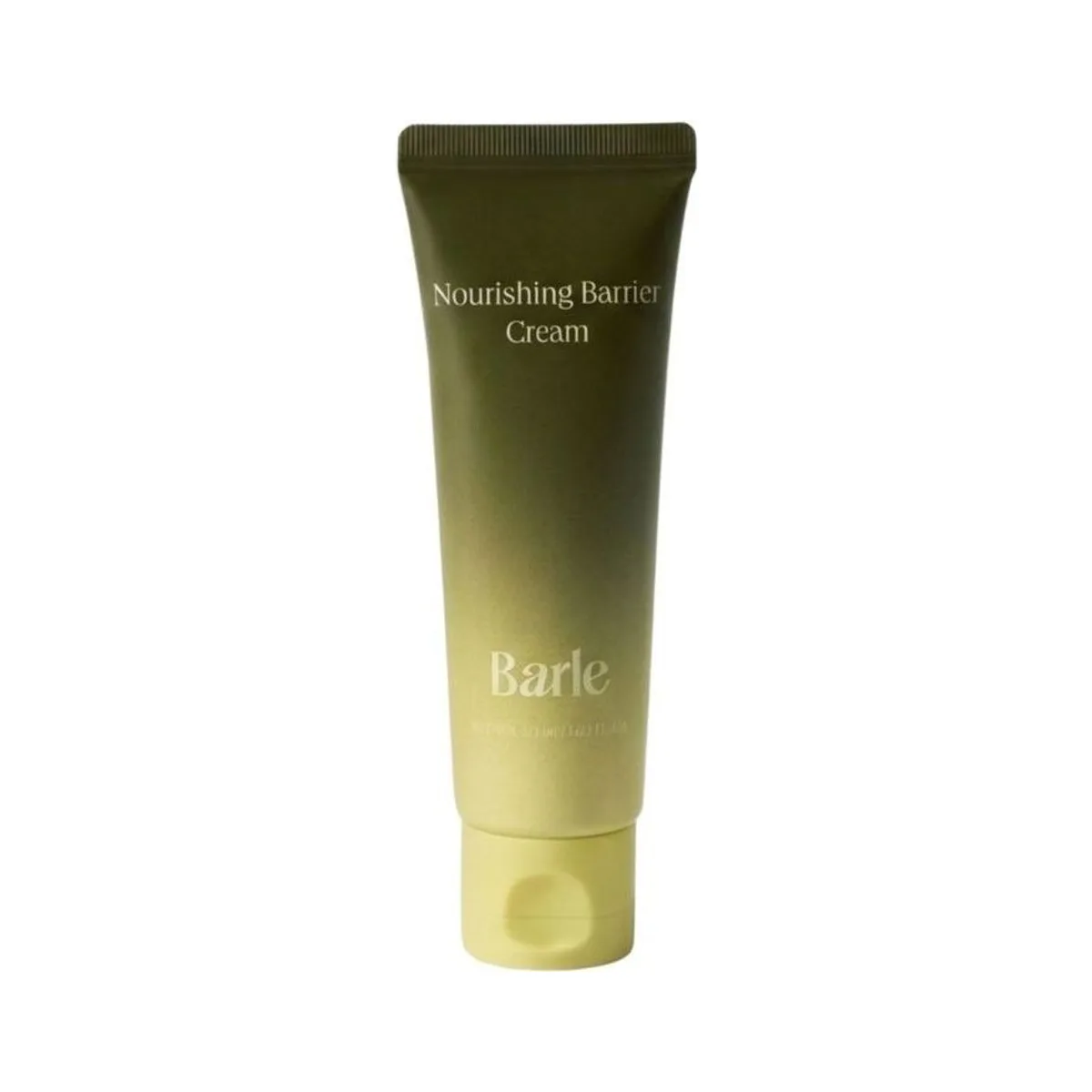
Nourishing Barrier Cream
Barle$49
Built around what the brand calls an optimized 5:2:3 ratio of ceramides, cholesterol and fatty acids — the same rough proportion these lipids occur in naturally in skin, which is the formulation logic barrier-repair creams are built on. Ceramide NP shows up directly in the ingredient list alongside cholesterol and several fatty acids, so this isn't a borrowed-name barrier claim.
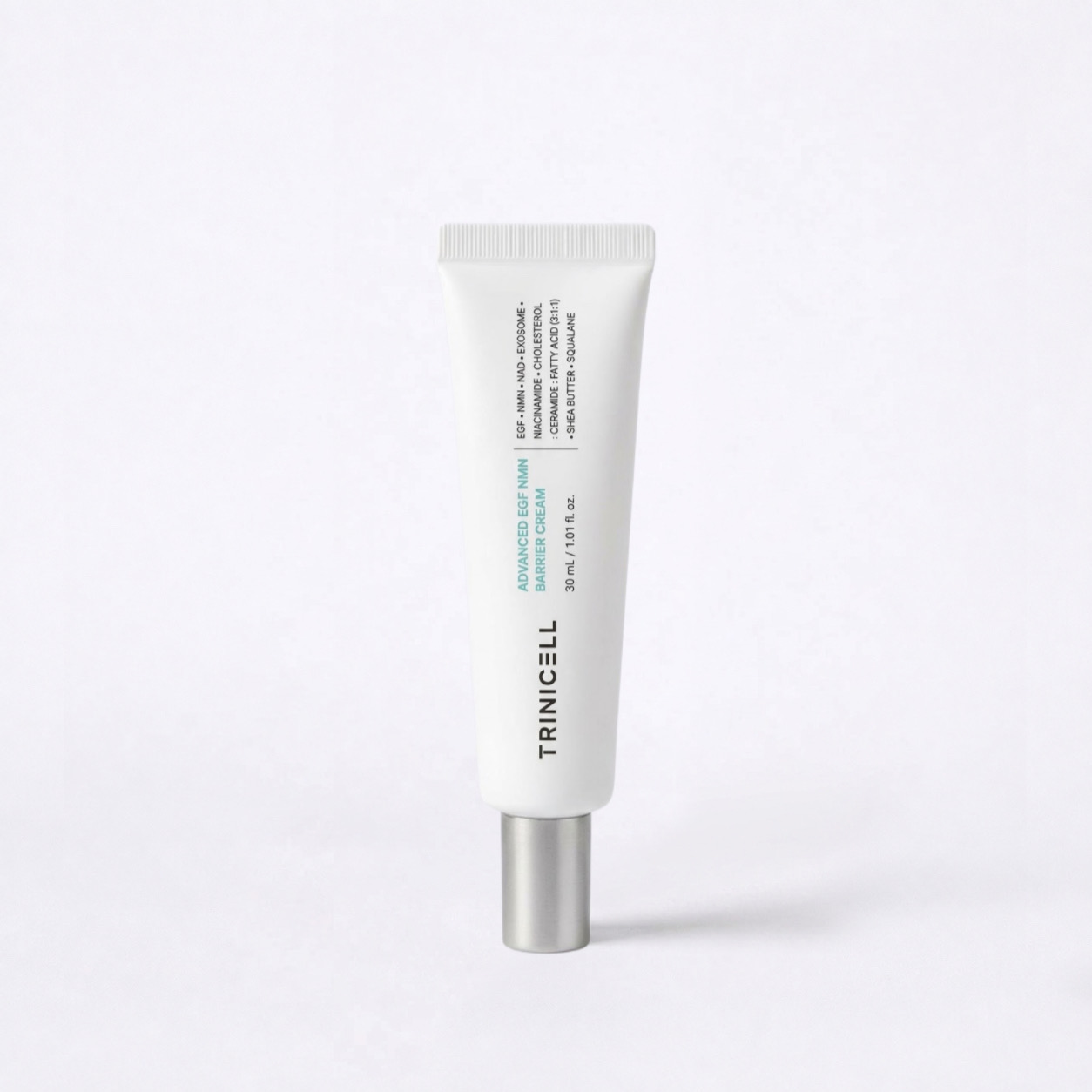
Trinicell advanced EGF NMN Barrier Cream 30ml
TRINICELL$29
Formulated primarily around EGF, exosome-related peptides and NMN for renewal and glow, but ceramide NP, cholesterol and phytosphingosine — core building blocks of the skin's own lipid barrier — also appear in its ingredient list, giving it real barrier-support value alongside its main renewal focus. It suits dehydrated, easily reactive skin that wants both jobs in one step rather than a ceramide-first, single-purpose formula.
EGF Skin Barrier Hydrating Cream
Z+PIDERM $684.6 (489)
Marketed around its bio-engineered EGF technology, but the ingredient list is unusually ceramide-rich for a gel-cream — Ceramide NP, NS, AP, AS and EOP all appear alongside cholesterol and phytosphingosine, covering several of the subtypes skin naturally produces. A reasonable pick for barrier-compromised skin that wants a lighter, fast-absorbing texture rather than a heavier traditional ceramide cream.

How to use
Ceramide-based moisturizers go on as one of the last steps in a routine, after cleansing, toning and any treatment serums, since their job is sealing in what's underneath rather than delivering an active deeper into skin.
They work well both morning and night, and there's no cycling or gradual introduction needed — ceramides don't carry an irritation risk the way exfoliating acids or retinoids do, so daily use is standard from day one.
If you're using retinol or an exfoliating acid, applying a ceramide moisturizer afterward buffers some of the dryness those actives cause.
For a compromised barrier specifically, layering a ceramide serum under a ceramide cream is a common approach for extra reinforcement.
The box
Five full-size Korean products, matched to your skin, every month.
Questions
What do ceramides actually do for skin?
They rebuild part of the skin's outer barrier structure, holding skin cells together and helping the skin retain moisture while blocking out irritants — a repair function rather than surface hydration alone.
Which ceramide should I look for on a label?
Ceramide NP is the most common and a perfectly good starting point. A formula naming several subtypes — NP, AP, AS, NS, EOP — is closer to the mix skin makes itself. Cholesterol and fatty acids listed alongside them is the other good sign.
Is ceramide good for sensitive or eczema-prone skin?
Yes — ceramides are one of the standard recommendations for eczema-prone and chronically dry skin specifically because they help rebuild the barrier function that skin condition compromises.
What's the difference between ceramides and hyaluronic acid?
Hyaluronic acid draws water into the skin's surface, while ceramides rebuild the lipid structure that keeps that water from escaping. They solve different parts of the same hydration problem and are often used together.
Can ceramide moisturizer help after using retinol or exfoliating acids?
Yes, it's a common and effective pairing — ceramides help buffer the dryness and barrier disruption those actives can cause, making them easier to tolerate consistently.
Is ceramide good for oily skin?
It's not harmful, but oily skin without dryness or sensitivity concerns generally won't notice much benefit, and a rich ceramide cream may feel heavier than necessary.
Full-size Korean beauty, curated for your skin, delivered every month.
Start your boxBuild your first box
Start your box