Korean Hyaluronic Acid
Korean hyaluronic acid isn't a different molecule from what you'd find anywhere else — it's a different formulation philosophy, one that layers multiple molecular weights and builds hydration into nearly every step of a routine. Here's how that approach works, how to use it, and which of our picks are worth trying.

Korean hyaluronic acid refers to how K-beauty brands typically formulate this humectant — often blending multiple molecular weights in one product, and building it into nearly every step of a routine rather than a single dedicated serum. The ingredient itself works the same way regardless of origin, drawing and holding moisture in skin, but Korean formulations tend to emphasize a layered, multi-weight approach and show up across sunscreens, ampoules, and essences in addition to standalone serums.
Benefits
What distinguishes Korean hyaluronic acid formulations is the layering philosophy behind them — many Korean products combine high, medium, and low molecular weight hyaluronic acid in one formula, since larger molecules sit on skin's surface while smaller ones penetrate more deeply, hydrating multiple layers rather than just the top one. That multi-weight approach is part of why these products are often credited with a plumper, more cushioned feel than a single-weight formula. It's also common to find hyaluronic acid built into sunscreens, ampoules, and toners as a supporting ingredient, not reserved for one hero product.
It suits dry, dehydrated, or environmentally stressed skin especially well, and works for nearly every skin type given its low irritation risk. It's a reasonable foundational ingredient for anyone building a routine around Korean skincare's broader emphasis on hydration as a first step.
Hyaluronic acid won't treat acne, pigmentation, or fine lines on its own, so it's best understood as a hydration-focused ingredient that supports whatever active treatments you're also using, not a replacement for them. In very dry climates, using it without sealing in a moisturizer can occasionally leave skin feeling drier than before, since humectants need some ambient humidity or a sealing layer to hold onto the moisture they draw in.
Recommended
Targeted Hydrating Serum Hyaluronic Acid 2.0
BLITHE$264.4 (34)
BLITHE's serum builds hyaluronic acid into a targeted hydrating treatment rather than a basic all-purpose serum, suggesting a formula weighted toward addressing specific dehydration rather than routine daily upkeep. That positioning makes it a reasonable pick for someone dealing with a particular dry patch or a stretch of noticeably dehydrated skin rather than baseline maintenance. It's formulated with sodium hyaluronate alongside niacinamide and panthenol, so it does double duty supporting your skin barrier while it hydrates.
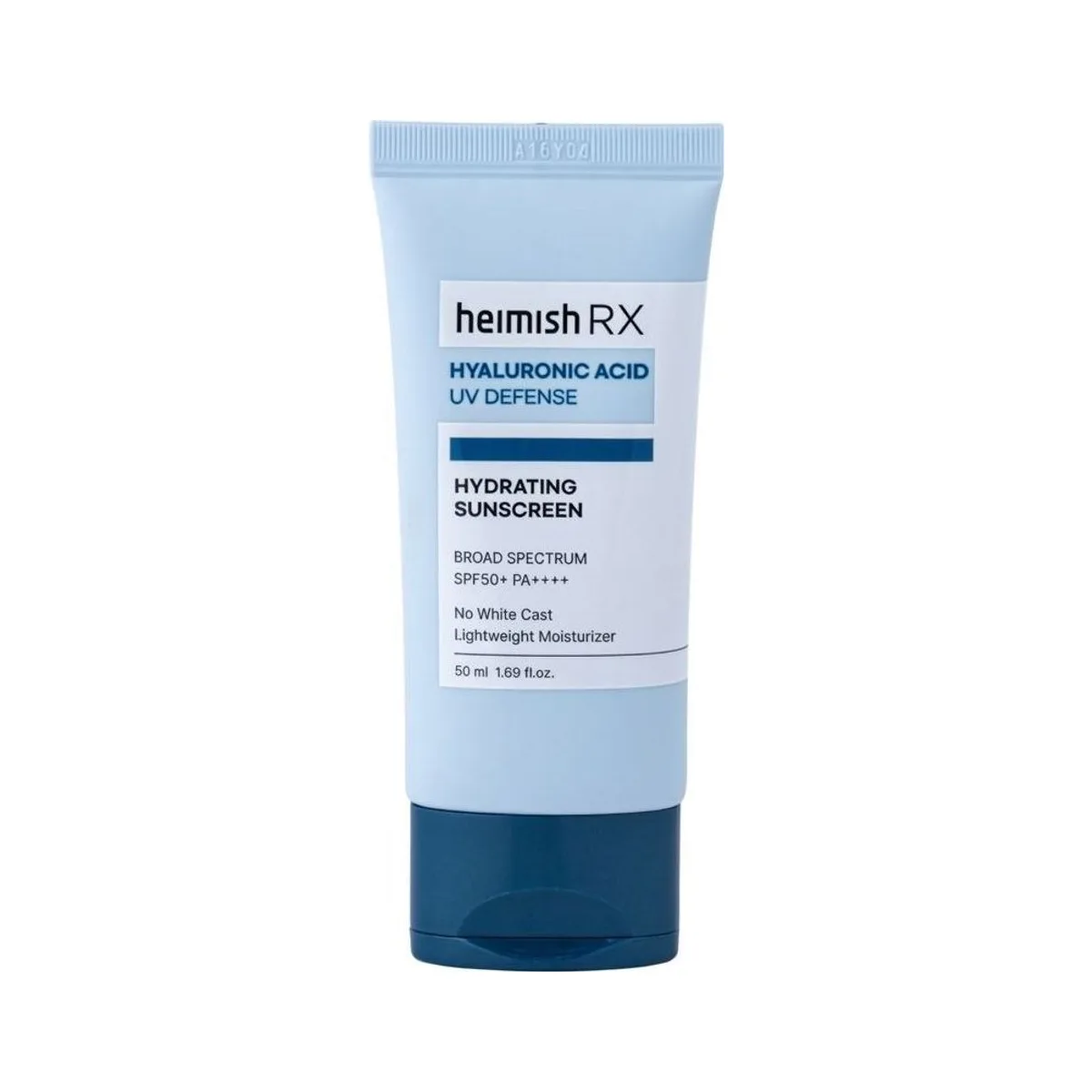
RX Hyaluronic Acid Hydrating Sunscreen
heimish$264.6 (166)
heimish's sunscreen folds hyaluronic acid directly into sun protection, which is a distinctly Korean formulation habit — building supporting ingredients into steps that Western sunscreens often leave purely functional. That means this product is doing double duty, delivering both UV protection and a hydration boost in the same step, which matters for anyone whose skin tends to feel tight or dry under sunscreen specifically. It's an SPF50+ PA++++ broad-spectrum formula, so it covers both jobs at once rather than asking you to add a separate hydrating step underneath.
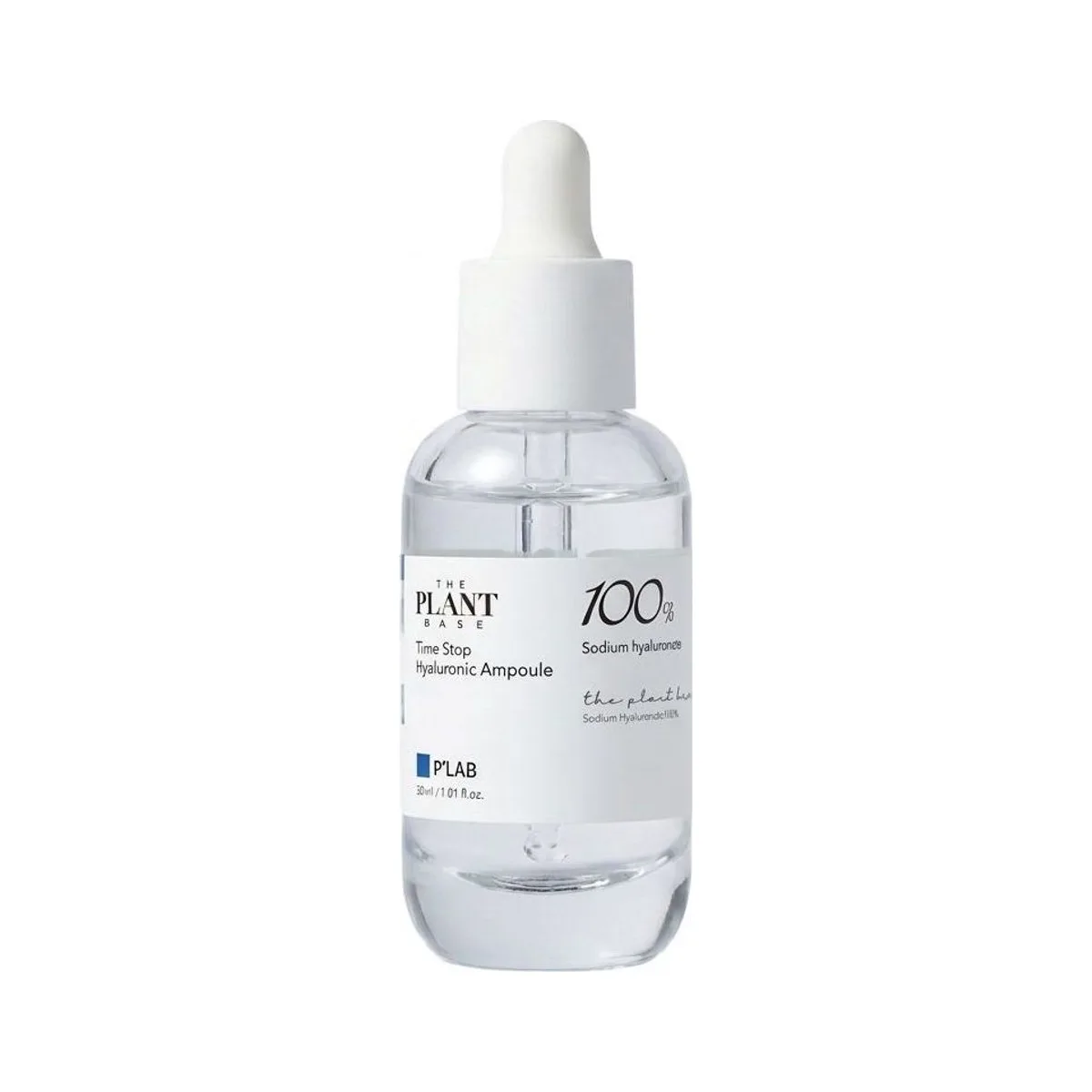
Time Stop Hyaluronic Ampoule
The Plant Base$23.94.5 (99)
The Plant Base's ampoule delivers hyaluronic acid in a more concentrated format than a standard serum, aimed at people who want a stronger hydration dose in one step rather than layering several lighter products. The ampoule format generally means faster absorption and a thinner texture than a serum, so it pairs well with a heavier moisturizer applied afterward to seal in what it delivers. It's formulated as a single-ingredient hyaluronic acid ampoule, so there's no guesswork about what's doing the work here.

How to use
Hyaluronic acid works best applied to damp skin, since humectants perform better when there's already some moisture to draw from — apply it right after cleansing or toning while skin is still slightly damp, then follow with a moisturizer to seal it in before it can evaporate. If you're using a multi-weight Korean formulation specifically, there's no special application technique required beyond this — the different molecular weights work simultaneously rather than needing to be applied in a specific order. It layers safely with virtually every other ingredient, including retinol, vitamin C, and exfoliating acids, and can help offset the dryness those actives cause. There's no cycling required, so daily use, morning and night, is standard, and it's one of the few ingredients that's reasonable to apply more than once a day if skin feels particularly dehydrated.
The box
Five full-size Korean products, matched to your skin, every month.
Questions
Is Korean hyaluronic acid different from hyaluronic acid in other skincare?
The molecule itself is the same regardless of origin, but Korean formulations more often combine multiple molecular weights in one product and build hyaluronic acid into product categories beyond a dedicated serum, like sunscreens and ampoules.
What does multi-molecular-weight hyaluronic acid mean?
It means a formula combines hyaluronic acid molecules of different sizes — larger ones that stay on skin's surface and smaller ones that penetrate more deeply — so the product hydrates multiple layers of skin at once rather than just the top.
Can hyaluronic acid make skin drier in some climates?
It's possible in very low-humidity environments if it isn't sealed in with a moisturizer, since humectants can occasionally pull moisture from skin itself rather than the air if there isn't enough ambient humidity available. Always follow it with a moisturizer, especially in dry climates.
How often should you use hyaluronic acid?
Daily use, morning and night, is standard, and it's one of the few ingredients where reapplying more than twice a day is reasonable if skin feels especially dehydrated.
Can hyaluronic acid be used with retinol or vitamin C?
Yes, and it's a common and beneficial pairing. Hyaluronic acid doesn't carry irritation risk of its own and can help offset the dryness retinol or vitamin C sometimes cause.
Full-size Korean beauty, curated for your skin, delivered every month.
Start your boxBuild your first box
Start your box